
What it is
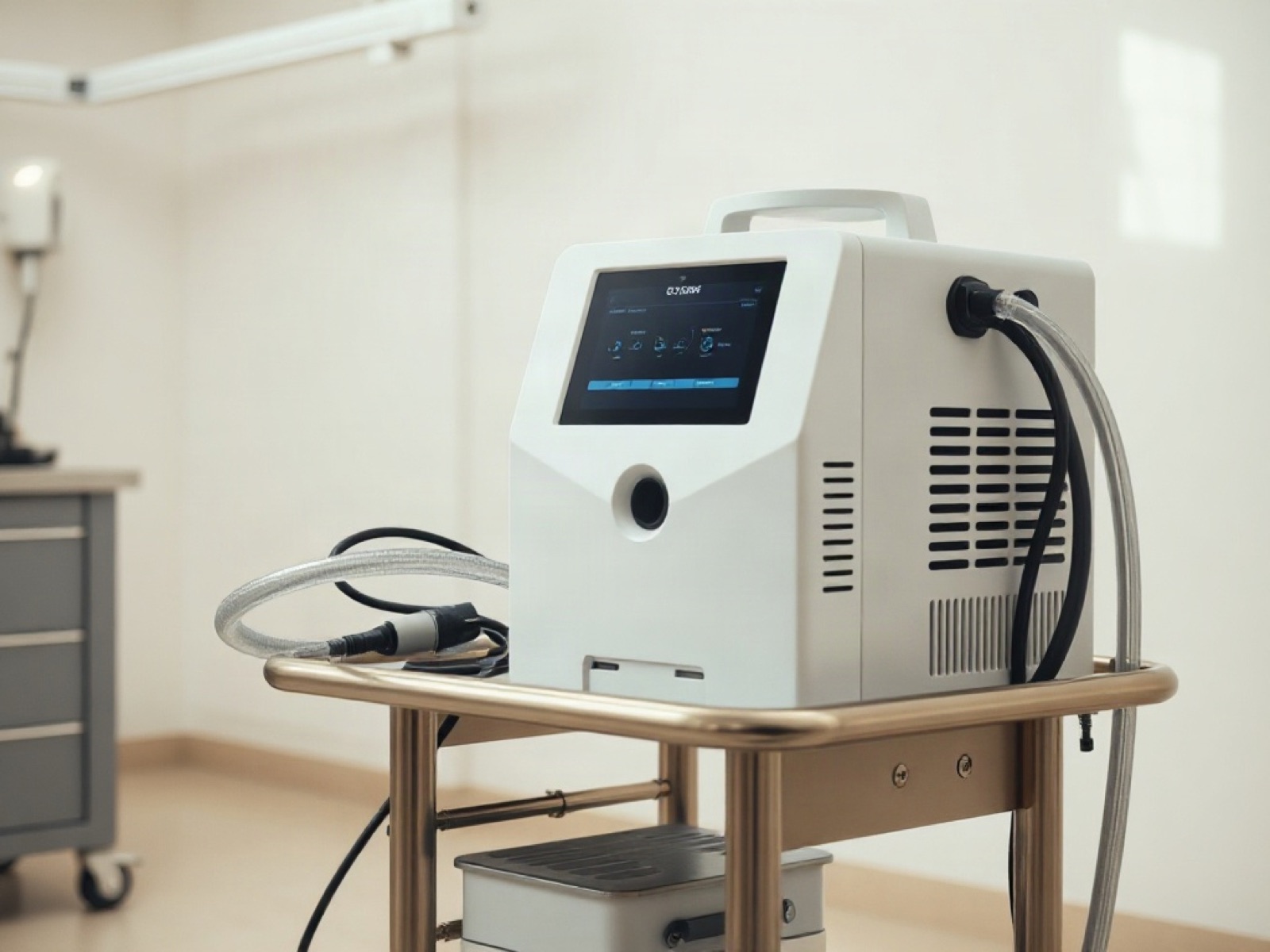
Medical ozone is administered in measured concentrations from a calibrated generator, most often by autohemotherapy, which means drawing a quantity of your own blood, ozonating it and returning it.
It is widely used in several countries and the evidence is still under discussion for many indications. Here it is applied at a documented dose and with an honest conversation about what is well studied and what is not.
What the session is like
- Route, concentration and volume confirmed.
- Administration with calibrated equipment and disposable material.
- Brief observation afterwards.
- The exact dose recorded in your chart.
Who it is considered for
People under evaluation for chronic inflammatory or infectious processes, inside a defined plan.
When it is not used
When this therapy is not used.
Read this before you travel. If anything on this list applies to you, say so on the intake form and another route will be proposed.
- G6PD deficiency, also known as favism.
- Uncontrolled hyperthyroidism.
- Thrombocytopenia or coagulation disorder.
- Pregnancy.
- Never by inhalation. Ozone is toxic to the lung.
Other therapies
Keep going through the index.
- 01 Initial evaluation The consultation everything starts with. No therapy is given without it. First visit
- 02 Advanced diagnostics and patient mapping The studies used to find the cause before any therapy is proposed. Includes genetic panels and food allergy panels. Genetics · laboratory · imaging
- 03 Regenerative medicine Stem cells, exosomes, secretomes and peptides, applied under medical criteria and with a written indication. Stem cells and exosomes
Does your case fit this therapy?
The intake form asks exactly what rules each therapy in or out. It takes ten minutes and ends with a printable summary.